How to Make Your Jacksonville Home Safer for Aging in Place
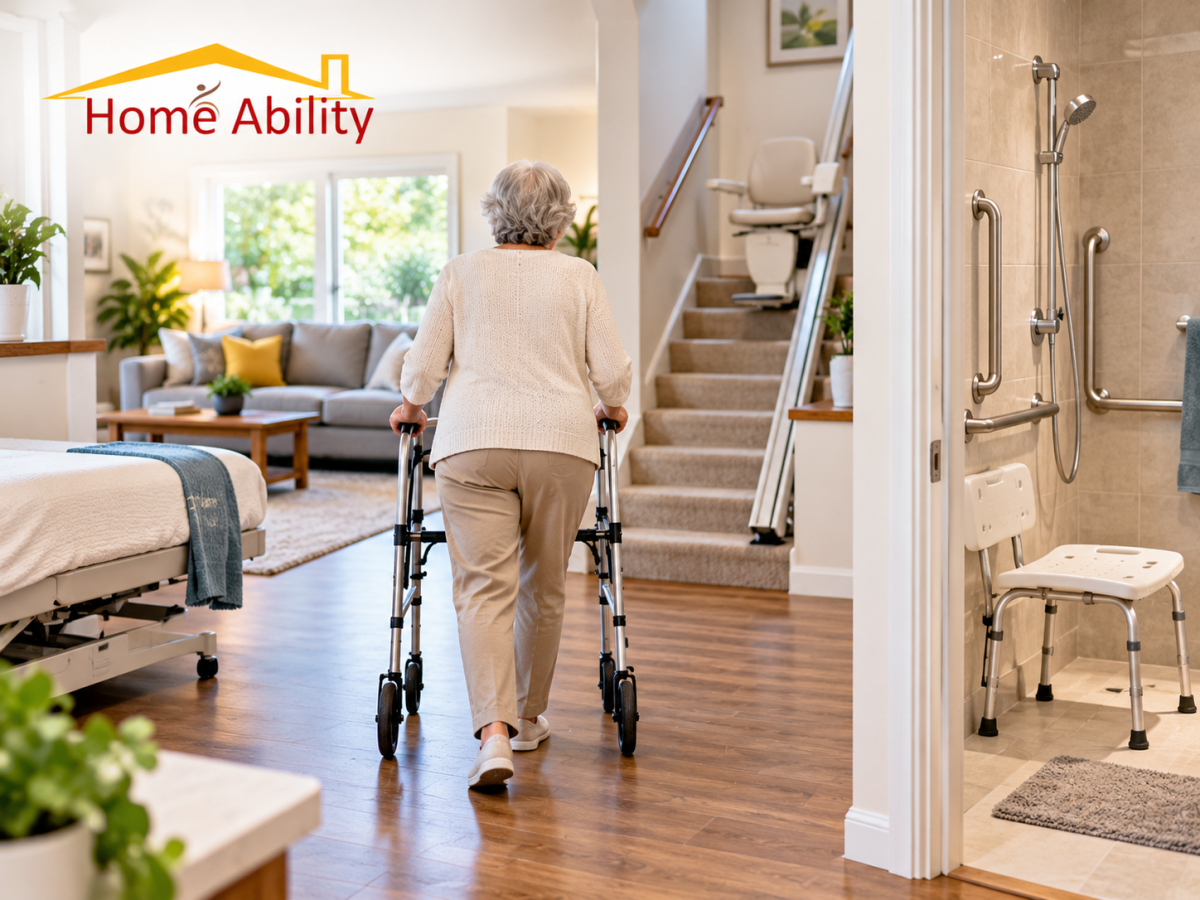
Most people want to stay in their own home for as long as possible, familiar surroundings, established routines, and a sense of independence that’s hard to replicate anywhere else. But staying safely often requires some thoughtful adjustments, since the average home isn’t originally designed with aging related mobility or safety needs in mind. The right home care equipment in Jacksonville can make a meaningful difference in whether aging in place actually works well long term, or becomes increasingly difficult and risky over time.
Here’s a practical look at the areas worth focusing on, and the kinds of equipment that genuinely support a safer, more independent home environment.
Start With a Realistic Safety Assessment
Before purchasing anything, it helps to walk through the home and honestly assess where risks actually exist, uneven flooring transitions, poor lighting, bathrooms without grab bars, or stairs that are becoming harder to navigate safely. This kind of honest evaluation, sometimes done with the input of a healthcare provider or occupational therapist, helps prioritize which changes matter most rather than addressing things randomly.
Key Areas of the Home to Focus On
Bathrooms
Bathrooms tend to be one of the highest risk areas in any home, given wet, slippery surfaces combined with tight spaces. Grab bars near the toilet and shower, a shower chair or bench, and non-slip mats or flooring treatments can significantly reduce fall risk in this specific area.
Bedrooms
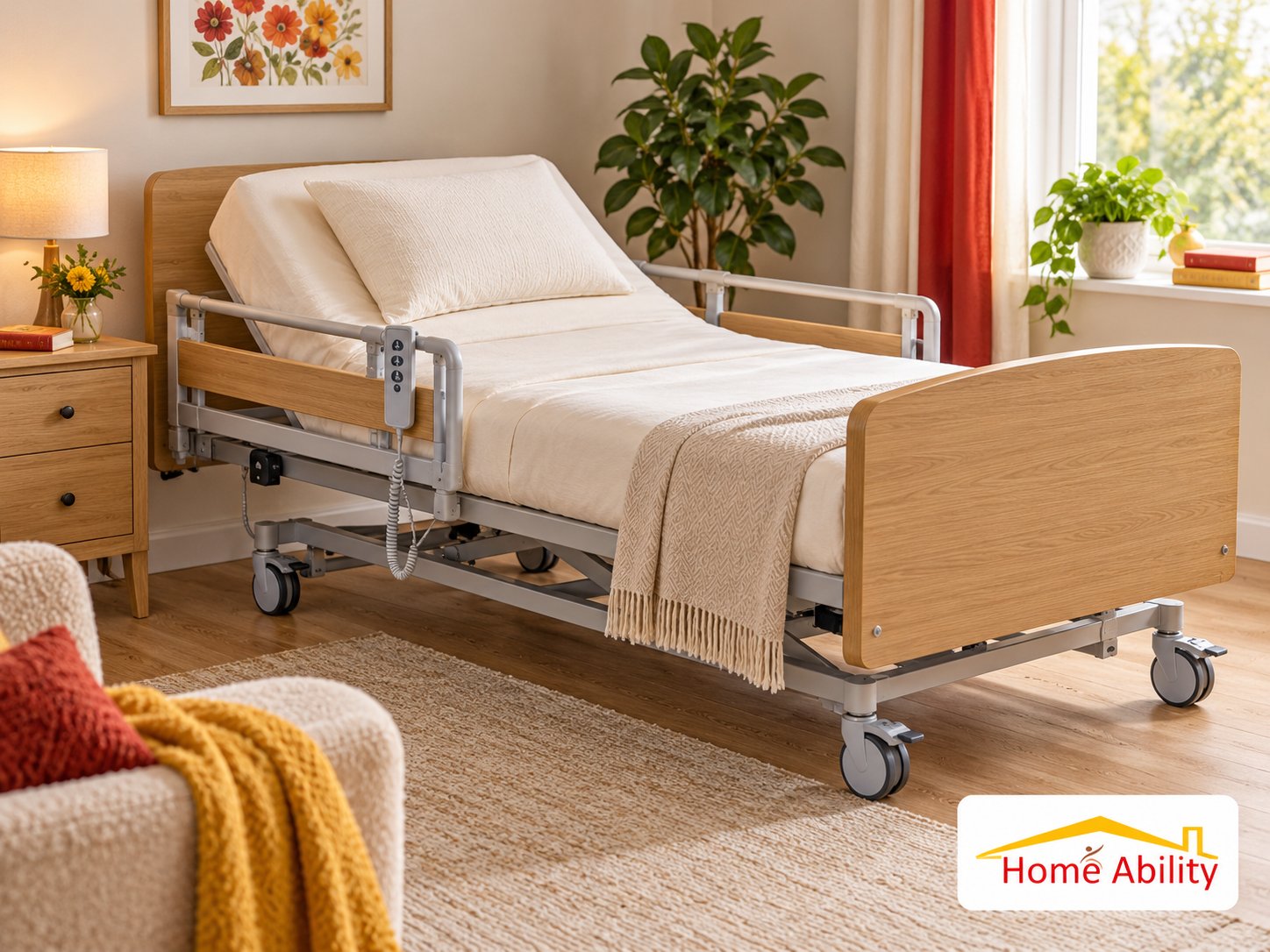
An adjustable bed can make a meaningful difference in both comfort and safety, making it easier to get in and out of bed independently, particularly valuable for individuals with mobility limitations or specific health conditions that make traditional flat beds more difficult to manage.
Entryways and Stairs
Ramps, sturdy handrails, and proper lighting at entry points and staircases help reduce fall risk in areas that are used multiple times daily, often without much thought given to their actual safety.
General Mobility Throughout the Home
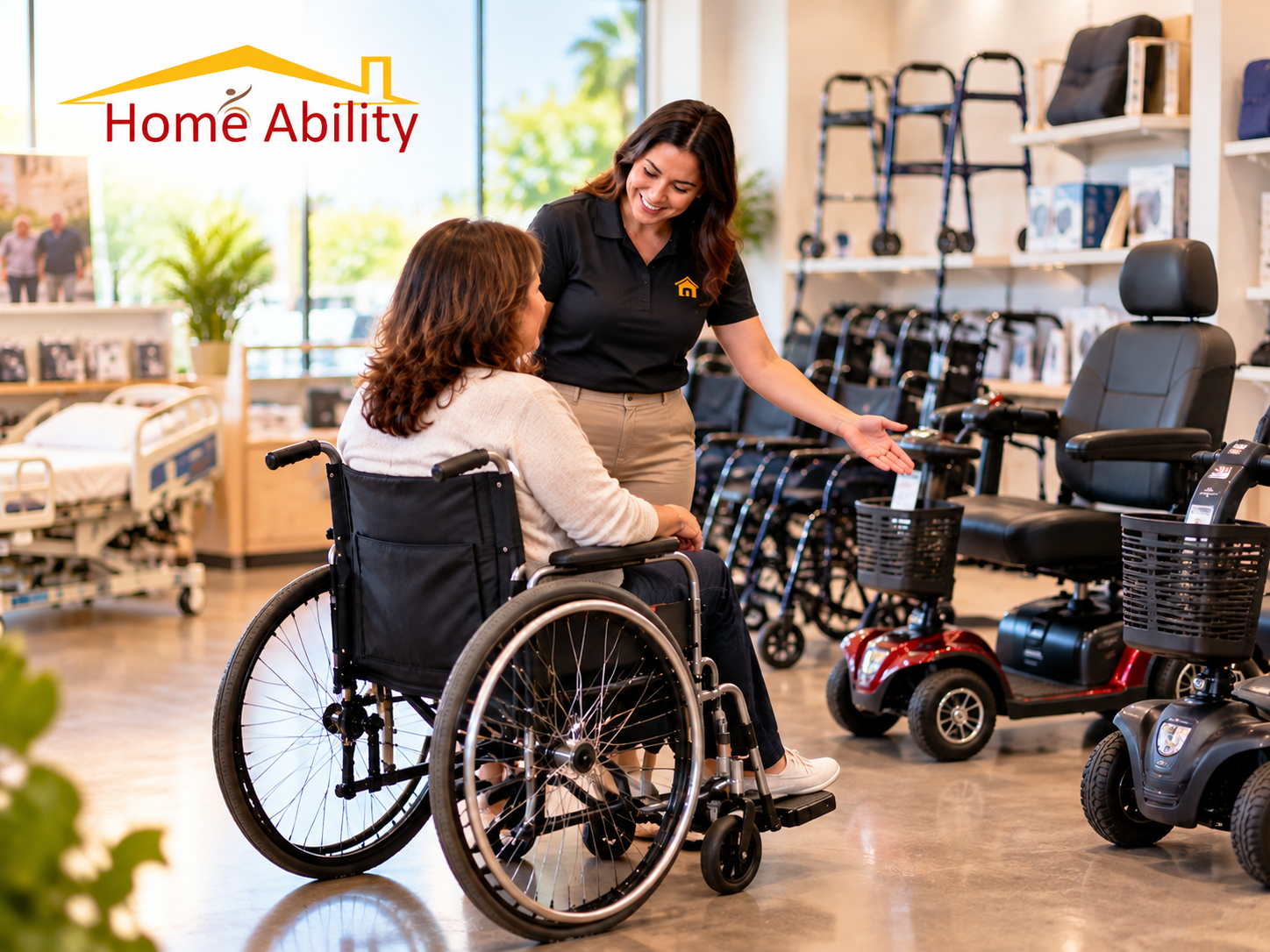
For individuals with more significant mobility limitations, equipment like walkers, wheelchairs, or mobility scooters, appropriately selected for the specific home layout, supports safer, more confident movement throughout daily routines.
Types of Home Care Equipment Worth Considering
- Grab bars and safety rails, particularly in bathrooms and near stairs
- Shower chairs and transfer benches, reducing fall risk during bathing
- Adjustable beds, supporting easier positioning and transitions in and out of bed
- Walkers and rollators, providing stability for daily movement
- Wheelchairs or mobility scooters, for individuals needing more substantial mobility support
- Raised toilet seats, reducing strain during transfers
- Non-slip flooring treatments or mats, addressing one of the most common fall risk areas
Why Jacksonville Homes Sometimes Need Specific Attention
Many Jacksonville homes, particularly older ones, weren’t originally built with these considerations in mind, meaning modifications and equipment additions often need to be thoughtfully integrated into existing layouts rather than assuming a one size fits all approach will work smoothly.
How to Prioritize What to Address First
If budget or timing doesn’t allow for addressing everything at once, prioritize the areas with the highest fall risk first, typically bathrooms and stairs, since these tend to be where the most serious injuries occur. From there, address other mobility and comfort related needs based on the specific individual’s current and anticipated future needs.
Why Getting Knowledgeable Guidance Helps
Choosing the right specific equipment, the correct grab bar placement, an appropriately sized walker, a bed with the right features, benefits significantly from guidance by people experienced specifically in home care and mobility products, rather than guessing based on general online research alone.
Final Thoughts
Making a home safer for aging in place involves thoughtfully addressing the specific areas where risk is highest, bathrooms, bedrooms, entryways, and general mobility throughout daily routines, with equipment genuinely suited to the individual’s specific needs. Taking a proactive, prioritized approach helps support both safety and independence over the long term.
If you’re looking to make these kinds of updates to your Jacksonville home, Home Ability Store offers home care equipment and knowledgeable guidance to help you choose the right products for aging in place safely and comfortably.
Frequently Asked Questions
1. What’s the most important room to address first for aging in place safety?
Bathrooms are generally the highest priority, given the combination of wet surfaces and tight spaces that contribute significantly to fall risk.
2. Do I need a professional assessment before buying home care equipment?
While not strictly necessary, input from a healthcare provider or occupational therapist can help identify specific risks and appropriate equipment more accurately than guessing independently.
3. Are grab bars something I can install myself, or do they need professional installation?
This depends on the specific product and wall type, some are designed for straightforward installation, while others may benefit from professional installation to ensure they’re properly secured for safety.
4. How do I know what size walker or wheelchair is right for my needs?
Testing equipment in person at a knowledgeable retailer helps ensure proper fit, since factors like height, weight, and specific mobility needs all affect what size and type will work best.
5. Can home care equipment really help someone avoid moving to a care facility?
For many individuals, yes, the right combination of safety modifications and mobility equipment can meaningfully extend how long someone can safely and comfortably remain in their own home.