Hospital Bed Buying Guide: Size, Features, Safety & Comfort
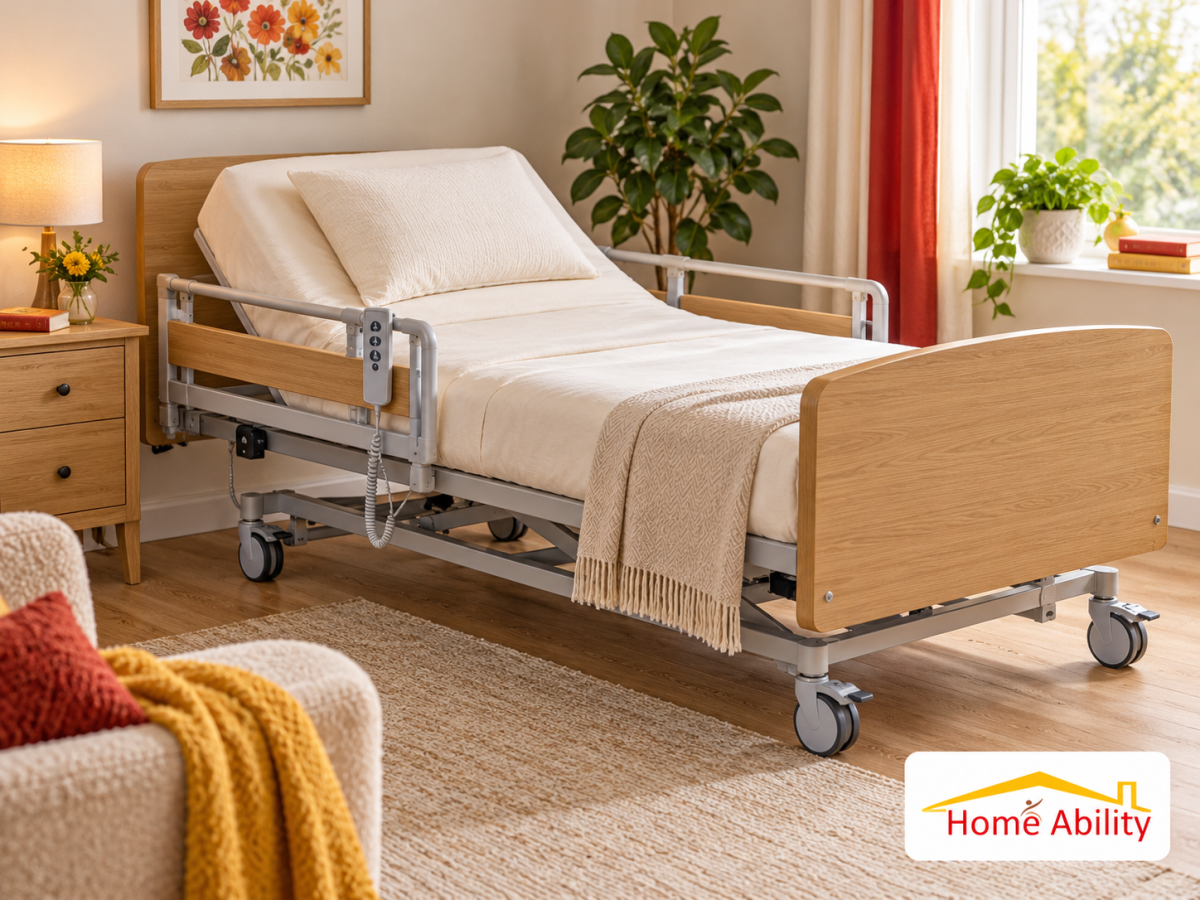
Shopping for a hospital bed for home use involves more decisions than people typically expect going in, size options, safety features, positioning capabilities, and mattress compatibility all factor into finding the right fit for a specific person’s needs. Hospital beds in Jacksonville, FL are available through local mobility and healthcare equipment stores in a range of configurations, and understanding what actually matters helps you make a confident, informed choice rather than guessing based on limited information.
Here’s a practical guide covering the key factors to consider before purchasing.
Understanding Hospital Bed Sizes
Standard Twin Size
The most common hospital bed size, generally suited to most adult users and offering the widest range of compatible accessories and mattress options.
Semi-Electric vs. Full Electric Models
Beyond just physical size, hospital beds vary in how positioning is controlled. Semi-electric models typically allow head and foot elevation to be adjusted electrically, while height adjustment remains manual. Full electric models allow the entire bed, including height, to be adjusted electrically, offering more convenience, particularly for caregivers.
Bariatric Options
For users requiring additional width or higher weight capacity, bariatric hospital beds offer reinforced construction and wider dimensions suited to these specific needs.
Key Features to Consider
Adjustable Head and Foot Positioning
This core hospital bed feature allows the user to find more comfortable positions for reading, eating, or resting, and can also help manage certain health conditions like acid reflux or circulation issues by adjusting elevation.
Side Rails
Side rails provide safety support, helping prevent falls and assisting with repositioning or transfers in and out of bed. Different rail styles and heights are available depending on the specific safety needs involved.
Height Adjustability
The ability to adjust bed height, particularly valuable for caregivers assisting with transfers, or for making it easier for the user to get in and out of bed independently depending on their specific mobility level.
Mattress Compatibility
Hospital beds typically require specific mattress types designed to work properly with the bed’s frame and positioning mechanisms, rather than a standard home mattress, which usually isn’t compatible with this kind of adjustable frame.
Weight Capacity
Confirming appropriate weight capacity for the specific user ensures both safety and long term reliable function of the bed’s motorized components.
Safety Considerations When Choosing a Hospital Bed
Fall Prevention Features
Beyond side rails, consider bed height adjustability and any additional safety accessories, like bed alarms or transfer aids, that might be relevant for the specific user’s mobility and fall risk level.
Proper Mattress Support
Using a mattress specifically designed for hospital bed frames helps ensure proper support and reduces pressure related skin issues, particularly important for users spending extended time in bed.
Stability During Positioning Changes
A quality hospital bed should move smoothly and stably during position adjustments, without excessive shaking or instability that could concern or unsettle the user.
Comfort Factors Worth Prioritizing
Mattress Quality
Beyond basic compatibility, mattress quality significantly affects comfort, particularly for users spending substantial time in bed, pressure relieving or specialty foam options may be worth considering for specific health needs.
Smooth, Quiet Motor Operation
For electric models, motor operation should be smooth and reasonably quiet, since a jarring or noisy adjustment process can be uncomfortable or even startling for the user.
Ease of Use for Both User and Caregiver
Consider how intuitive the controls are, particularly if the user will be operating the bed independently, versus a caregiver managing adjustments on their behalf.
Questions to Ask Before Purchasing
- What size and weight capacity is appropriate for this specific user?
- Should I choose a semi-electric or full electric model based on our specific needs?
- What mattress options are compatible with this bed frame?
- What safety features, like side rails, are recommended for this situation?
- Do you offer delivery and setup for hospital beds?
Why In Person Shopping Helps With This Particular Purchase
Given how much individual needs vary, comfort preferences, specific health conditions, caregiver involvement, visiting a local store to see and test different hospital bed options in person, with knowledgeable staff able to answer specific questions, generally leads to a better outcome than purchasing based on online descriptions alone.
Final Thoughts
Choosing the right hospital bed involves carefully considering size, positioning features, safety needs, and comfort factors specific to the individual who’ll be using it. Taking time to work through these considerations, ideally with guidance from a knowledgeable local retailer, helps ensure the bed genuinely supports both safety and comfort for daily use.
If you’re shopping for a hospital bed in Jacksonville, Home Ability Store offers a range of hospital bed options along with knowledgeable guidance to help you choose the right fit.
Frequently Asked Questions
1. What’s the difference between a semi-electric and full electric hospital bed?
Semi-electric models allow electric head and foot adjustment with manual height adjustment, while full electric models allow the entire bed, including height, to be adjusted electrically.
2. Can I use a regular mattress on a hospital bed frame?
No, hospital beds typically require specific mattresses designed to work properly with the frame’s positioning mechanisms, standard home mattresses usually aren’t compatible.
3. Are side rails necessary for every hospital bed user?
Not necessarily, this depends on the individual’s specific mobility and fall risk level, which is worth discussing with a knowledgeable retailer or healthcare provider.
4. How do I know what weight capacity I need?
Weight capacity should comfortably exceed the user’s actual weight, and bariatric options are available for users requiring higher capacity than standard models offer.
5. Will insurance cover the cost of a hospital bed?
Coverage varies depending on the specific insurance plan and medical necessity documentation, so it’s worth checking directly with your provider and asking the retailer about their experience navigating this process.
 Admin